By 1889, it was estimated that there were less than 1,000 wild buffalo left. A species that once thundered across the land had been hunted to near extinction. At one time, there were as many as sixty-million roaming throughout the Great Plains.
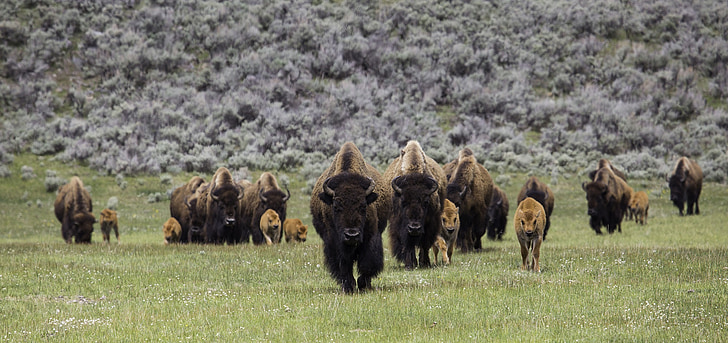
Wanting to preserve an example of the bison for the U.S. National Museum, William T. Hornaday from the Smithsonian Institute had been asked to stuff and mount a buffalo for the museum. He discovered that there were only an estimated 840 wild animals left. The practice of conservation was still relatively new, and primarily used to save the great forests that had been decimated by logging. Hornaday, along with a number of other scientists decided to apply this same technique to the buffalo.
Gathering the American Bison Population
By 1905, the group had gathered a herd of forty-five buffalo and began hunting for a safe place to establish this new population. This new home would be established in the future state of Oklahoma. The Wichita Mountains National Forest and Game Preserve had been established in 1909 by President McKinley. With that already established, Hornaday petitioned then President T. Roosevelt to establish the buffalo preserve. Because of his previous ties, Roosevelt agreed and persuaded congress to make it so.
The new refuge was created and a high fence was constructed around the eight thousand acre preserve to contain and protect the buffalo. Barns and corrals were constructed, as well as other necessary structures on site. The cost was around $15,000. For the buffalo, this was pristine land. Once the land was ready, fifteen animals were selected and brought in. These included six that were of breeding age, two younger bison, two calves, and an older bison named “Comanche” that would anchor the herd.
Establishing the Herds
On October 17, 1907, the small herd arrived at the Wichita Mountain preserve. At the train car unloading in Cache, a huge crowd had gathered to witness the event, including a large contingent of Native Americans in full regalia led by one Quanah Parker. All were ready to see the return of the buffalo. Even the large bull, “Comanche”, was ready to roam. When his crate was unloaded, he kicked open the side of the container, ready to be free. Luckily, Frank Rush, the warden of the preserve was able to corral the bull and lead them on to their final destination.
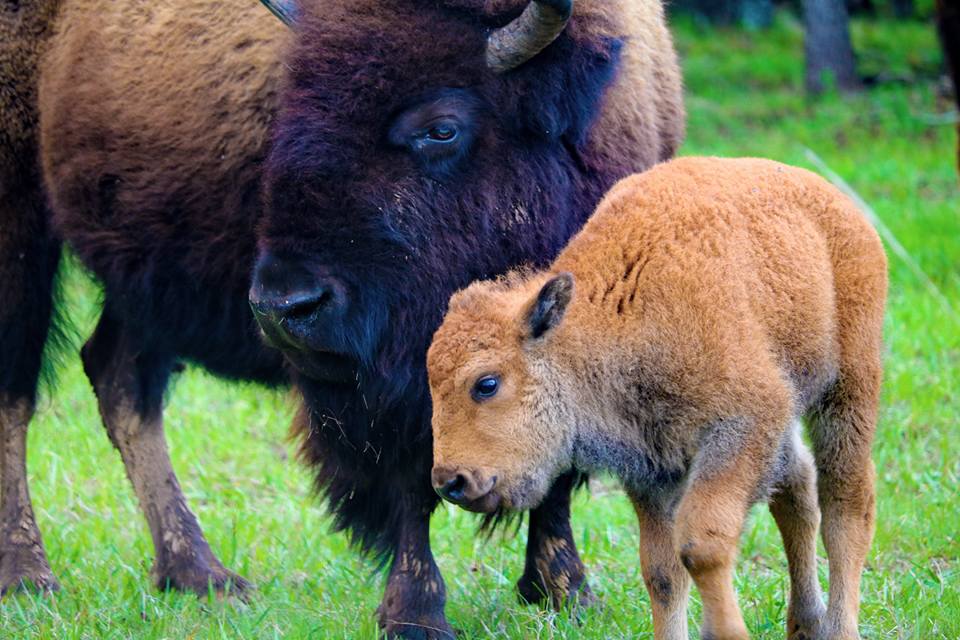
The first calf was born within a month of their arrival. Frank Rush aptly named him “Oklahoma” in honor of the newborn state. Other calves would follow and slowly the buffalo would begin to thrive once more. By 1918, the number had reached a milestone at one hundred. By 1938, there were three hundred and thirty eight at the preserve. That number skyrocketed to over one thousand by 1960.
By this time, other buffalo preservation pockets had been established throughout the plains. Each location saw the same success rate as had been seen in the Wichita Mountains, bringing the buffalo back from the brink of extinction. In the 1970s, it was determined that there were now too many buffalo on the preserve so nearly half of the population was either sold or moved to new preserves. Wardens have kept the population there around 500 ever since.
Ongoing Success
As of 2012, the buffalo population exceeded over 160,000. Much of this success is due to the establishment of the preserve in Oklahoma at the Wichita Mountain preserve. Today, the preserve still draws hundreds of people coming in to see wild buffalo as they once appeared over 100 years ago. If it wasn’t for William Hornaday’s persistence and the insistence from the U.S. National Museum, the age of the wild buffalo would have ended long ago.