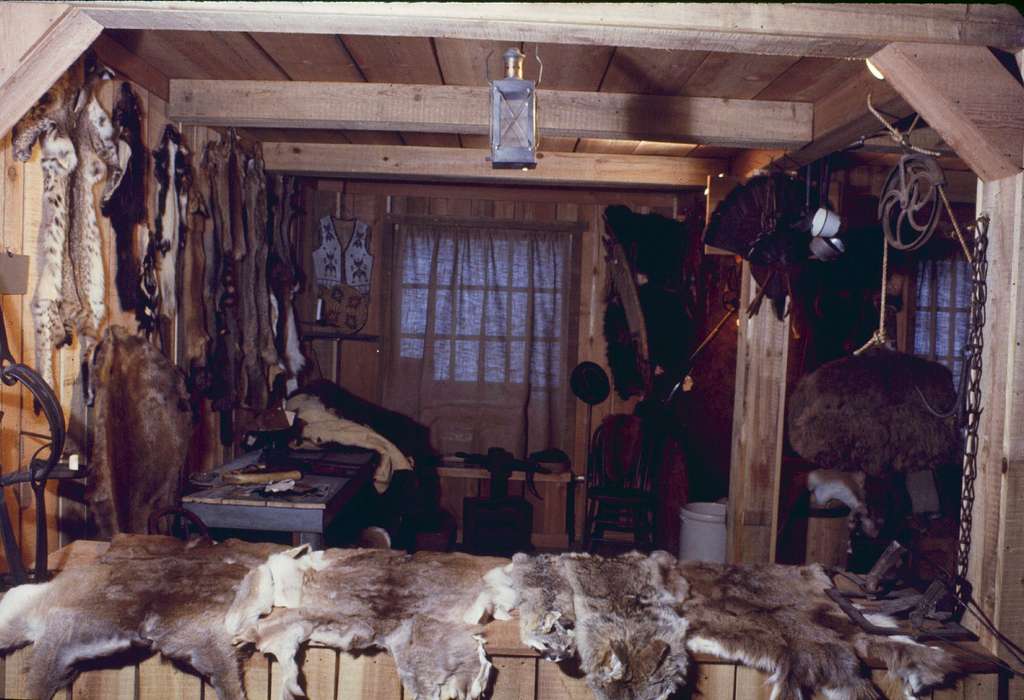
Salina has the unique designation of being Oklahoma’s oldest continuously inhabited European city. The town can trace its roots back to the French fur trade of the late 1700’s.
The French fur trade centered around the Mississippi river and its tributaries. In the early days, traders would travel down the Mississippi to New Orleans, where they would ship raw furs to business partners in France. Crafters would then take the raw materials and turn them into luxury items and sell them for an extraordinary price.
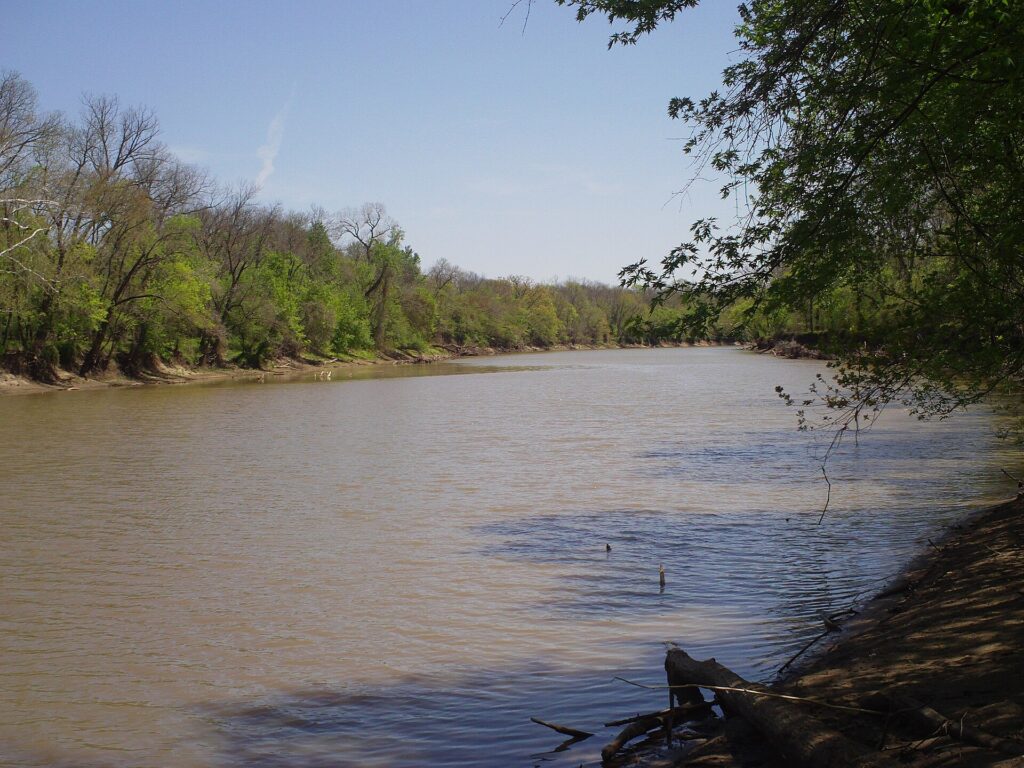
The Chouteau brothers Pierre and Auguste had made a fortune trading with the Osage along the Missouri river out of St. Louis. They had enjoyed a trade monopoly there until around 1794. At that time, their monopoly was threatened, so they decided to move further west. In March of 1796, Jean Pierre Chouteau led an expedition to establish a new home. they came to a river that the Osages called Ne-o-zho, or the Neosho River. From there, they carved out a small boat and followed it down to the Grand River.
In 1802, they established a new camp amongst the three-thousand-member Arkansas Osage band. At the time, this was just a part of the Osage camp, but would soon became one of the most important French trading posts in the region.
For awhile,the camp that the Chouteau’s had established did not have a Chouteau in residence. In 1817, Colonel Auguste Pierre Chouteau returned to the camp that his father had established. A.P. was a West Point graduate and a bit of a rebel. When he returned, he had just served a prison term in Mexico for illegally trading without Spanish authorization. He set about establishing a permanent post along the Grand River and once established, hired Joseph Revoir to manage it.
Colonel A.P. returned in 1821 following a bloody raid by the Cherokee that killed Revoir. He immediately purchased the business of Brand and Barbour and went about cementing the family empire through the region.
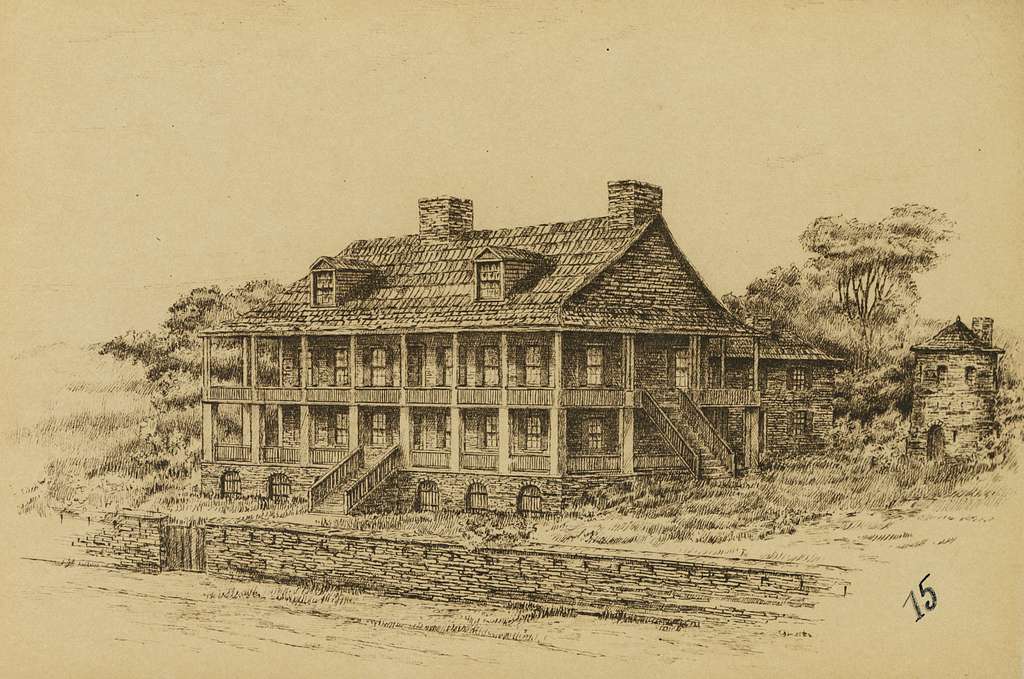
In 1824, he shipped 38,000 pounds of fur to New Orleans, as well as fowl, wild honey, and other luxury items. What started as a modest camp had now become a massive two story log home. Chouteau and his wife Rosalie lived like royalty. Across the large piazza that extended the length of the house was draped buffalo and bear skin, as described in Washington Irving’s “A Tour on the Prairies”. During Irving’s tour in 1832, he describes a number of Native American’s roasting venison while “negro” slaves, half-breeds, and squaws mingled on the expansive lawn.
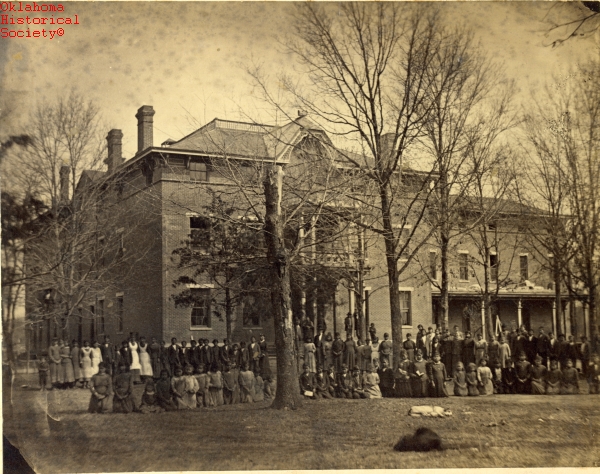
A. P. Chouteau died December 25, 1838. His holdings were taken over by john Ross, chef of the Cherokees. He established an orphan asylum in 1874 which also housed the first post office. With the establishment of a nearby salt works facility the town grew even more. In 1884, the post office changed the name of the town to Salina in honor of the salt works factory.
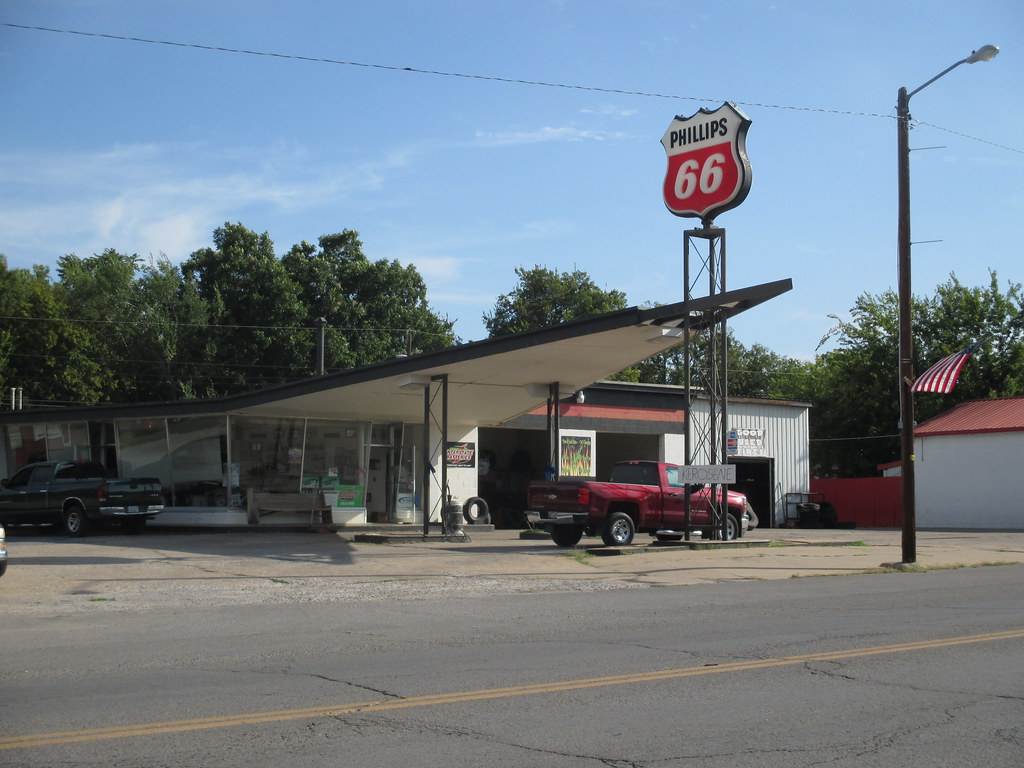
Today, remnants of the past can still be seen throughout Salina and the area. Near the town of Pryor, about an hour Northeast of Tulsa, on the East bank of Lake Hudson along the historic Route 66. A historical marker in the modern-day Salina State Park commemorates Choteau’s Post. You can find intact structures and commemorative installations along the scenic walking trails of the riverside park.
By Eric Standridge, 08/31/2026