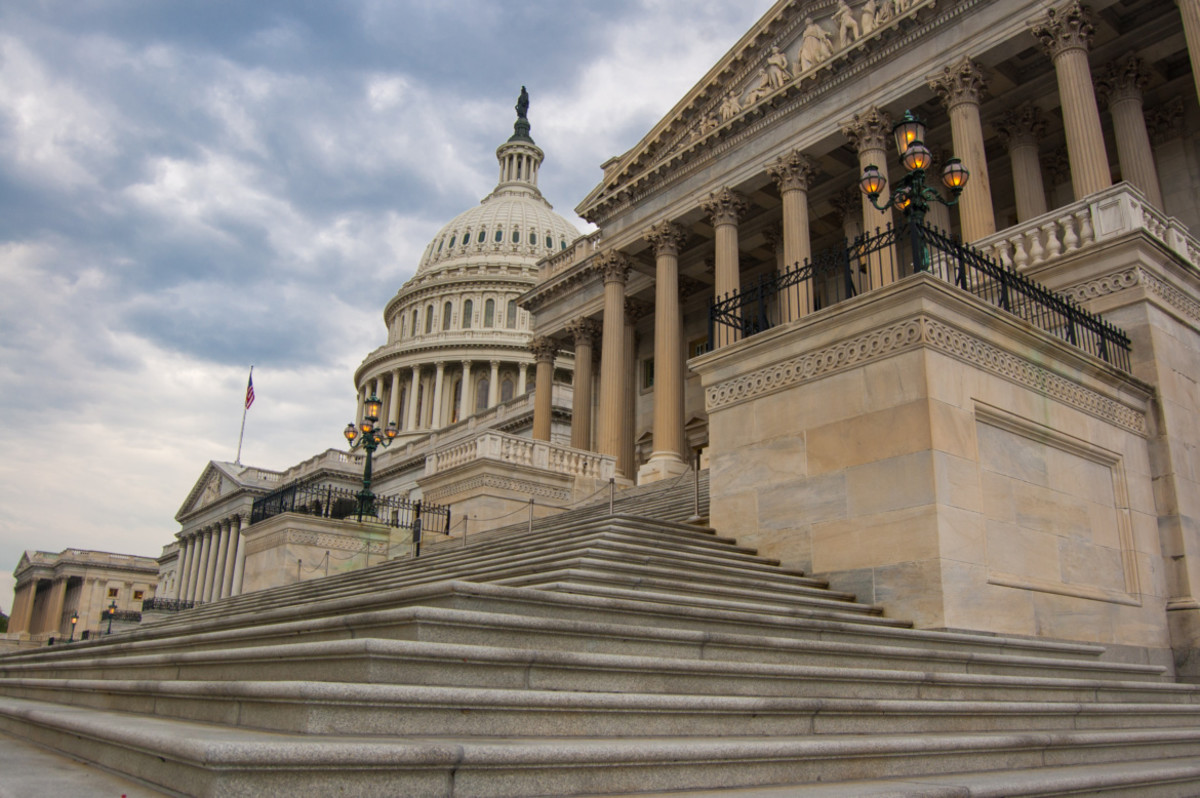
The Importance of Political Development
The success of a state is measured by three metrics; political development, social development, and economic development. Political development is a necessary basis for economic and social development because a state that is powerless to enact its will is powerless to benefit its people.
Without a strong state presence upholding a common set of laws, people will adopt varying forms of self-regulation that create conflict and perpetuate misery. On the other hand, a government that can efficiently enforce its laws, and mediate interpersonal conflict within its state will both promote social and economic growth, and feed off the increased perception of legitimacy resulting from these successes.
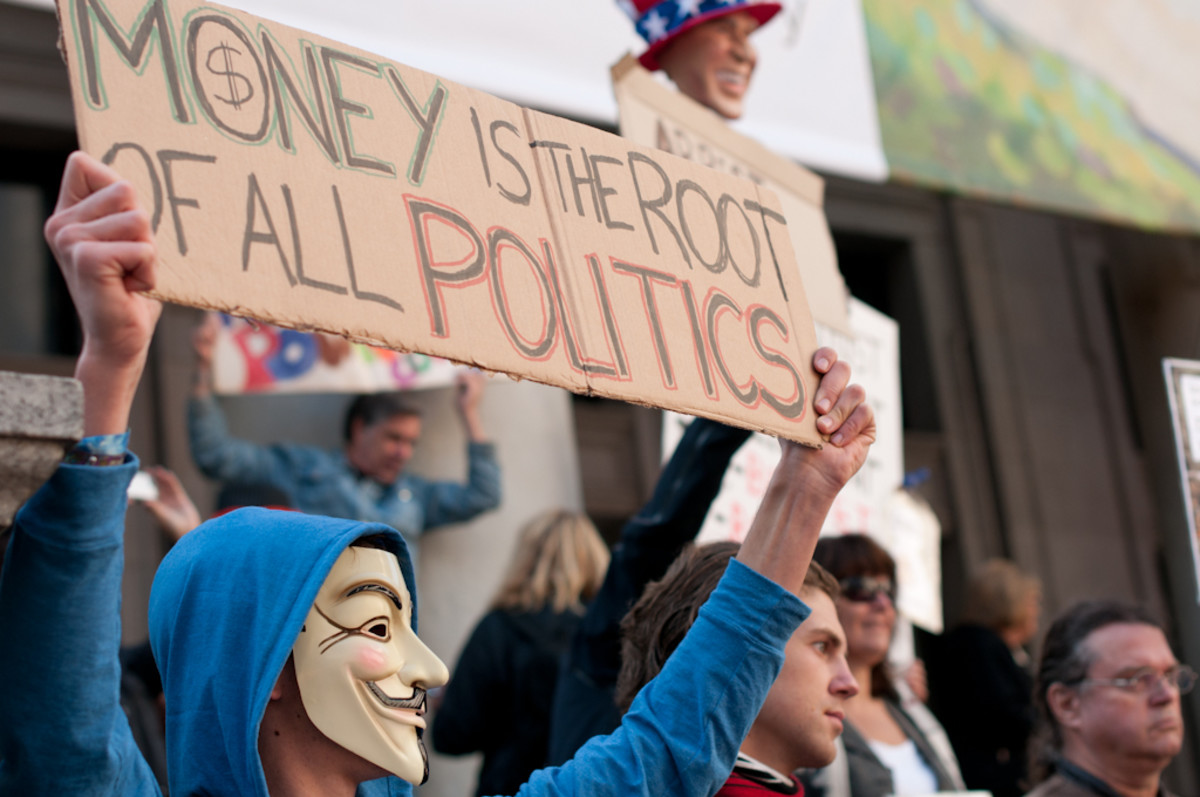
Good Infrastructure Makes for a Strong Economy
Economic development may benefit the most from a strong political establishment because of the importance of logistics to material success. Establishing trade deals relies on a mutually accepted set of rules; such as honoring contracts and upholding ethical standards.
The ability to enforce these rules without resorting to violence or coercion is something a developed legal system can provide to merchants within its jurisdiction.
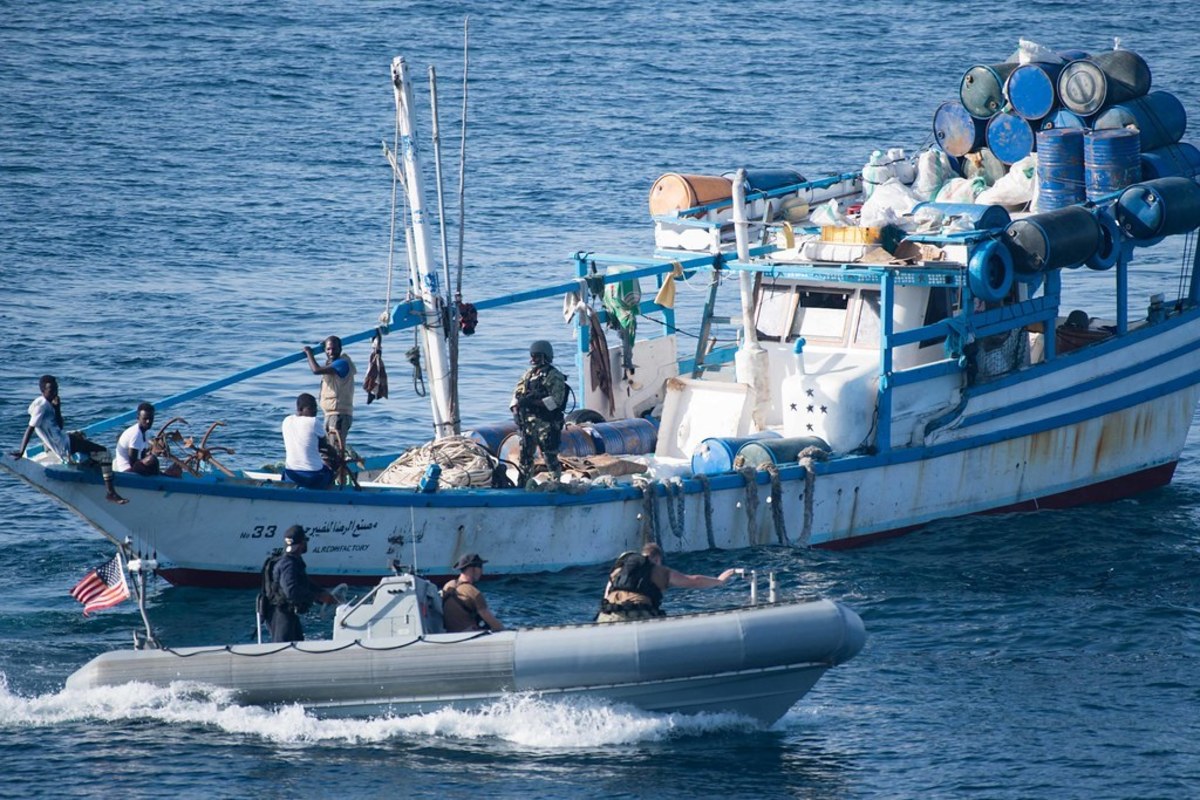
Crime Control Matters
Protection from theft and harassment when storing or transporting goods also contributes to economic successes. Without adequate protection from criminals, merchants may be compelled to expend resources on private security; or else avoid trade with, or travel through, certain regions.
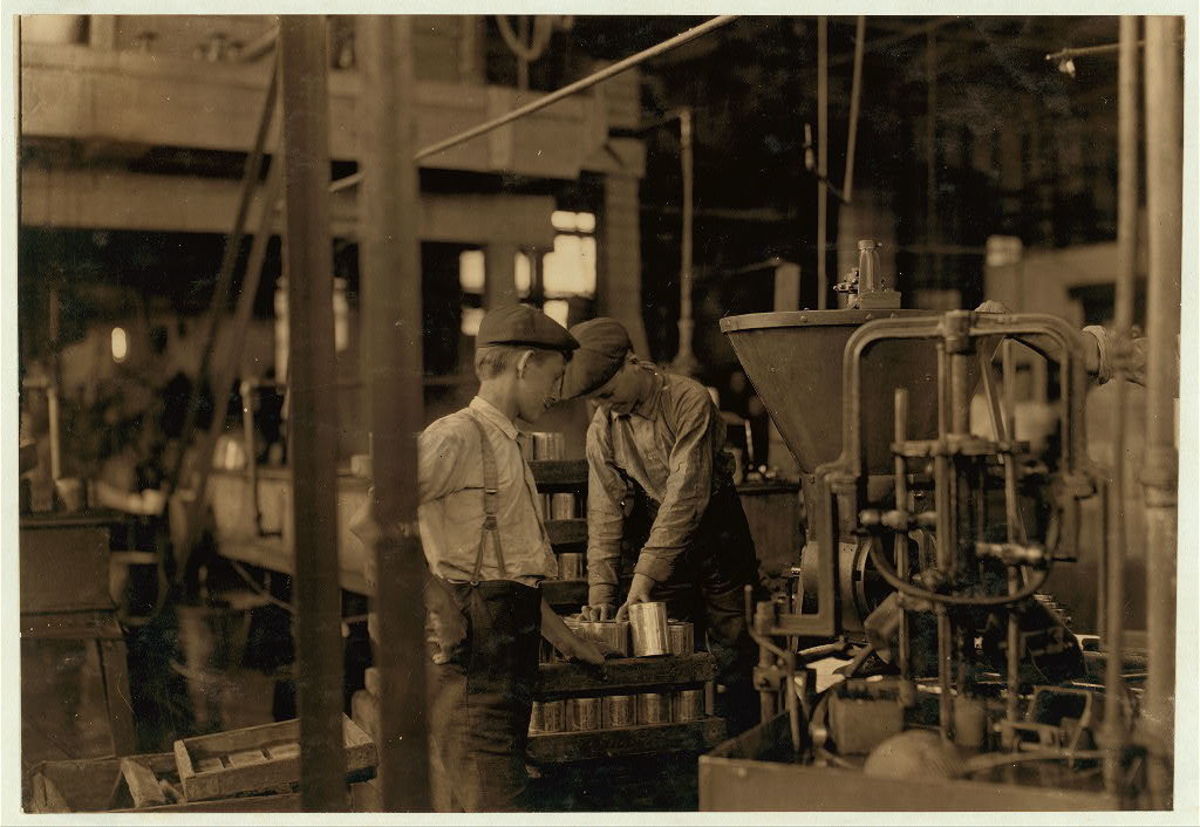
Sensible Regulation Levels the Playing Field
Effective regulation and enforcement of health and safety standards can prevent unscrupulous actors from gaining an unfair economic advantage by engaging in dangerous and unsustainable practices, such as exploiting workers and exhausting natural resources. The strength of the state lays the foundation on which the national economy is built. If the foundation is poor, the entire structure will crumble and collapse under its own weight.

If You Don’t Regulate Your Economy, Someone Else Will
One example of inadequate political development causing economic development to suffer is in the case of the so-called “Third World” countries that were former colonies. When colonizers withdrew from newly independent states, many economic ties still remained. The new governments were unable to adequately regulate trade while they were still in transition. As a result, they exposed themselves to unbalanced trade deals, and perpetuated patterns of exploitation, giving rise to neocolonialism.

A Casualty of War
On the ideological battleground of the Cold War, continued failure to politically develop further exposed the former colonies to being swept up in the conflict. The polar opposite philosophies, contending for political control of as many states as possible, pushed for many economies to be painfully restructured. Depending on whom they were politically aligned with, the economic systems of vulnerable states were picked apart, and cobbled back together to suit either Communism or Capitalism.

Bringing in the Referee
Social development is dependent on political development because an effective government provides its citizens with the means to peacefully address interpersonal issues. Like the negotiation of contracts, the negotiation of various civil agreements requires effective moderation by a relatively neutral party. The borders of personal property, for example, are much easier to establish and enforce when legal documents can be filed and referenced as needed. When someone feels wronged by another, an effective police force, and fair justice system, provide an alternative to prolonged feuds. Without them, people are forced to rely on personal retaliation.
Handling an Identity Crisis
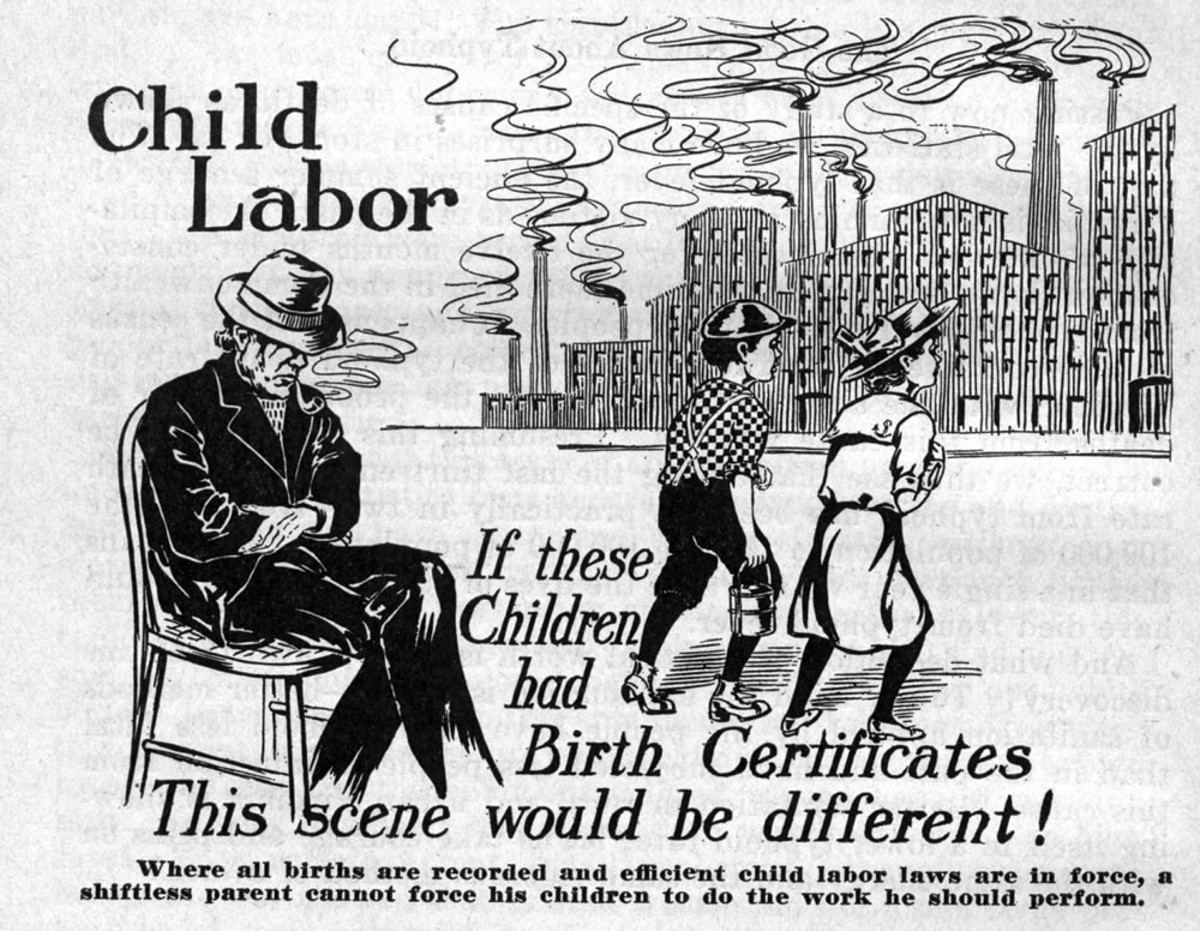
Reliable means of personal identification for individuals facilitates a level of trust among strangers, by promoting accountability. If a government is relatively trusted and competent in enforcing its laws, it can empower citizens whom it holds in good standing with a certain amount of social capital. A clean criminal record, educational credentials, or a license to practice certain activities actually means something when people have confidence in the government that’s backing it up.
Vulnerable Populations Suffer from Underdeveloped Legal Systems
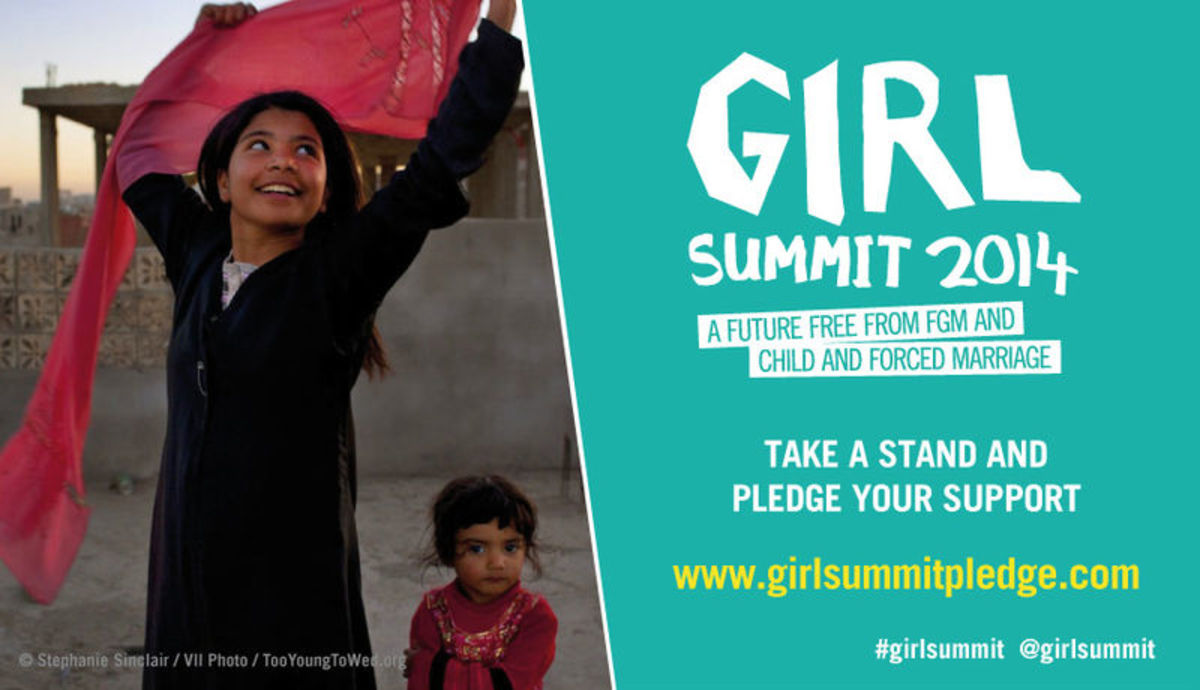
While a strong state can deter social unrest, a weak one practically invites it. Such is the case with the overall state of women’s rights in the global south. Domestic violence, child marriage, honor killings, and rape run rampant, despite such practices being illegal in most countries. Women are often denied education and employment opportunities, even in countries where it’s legal for them to work and go to school. The continued marginalization of women, in the modern era, is a direct result of the failure to protect them from abuse.
A Big Government Isn’t Necessarily a Developed Government
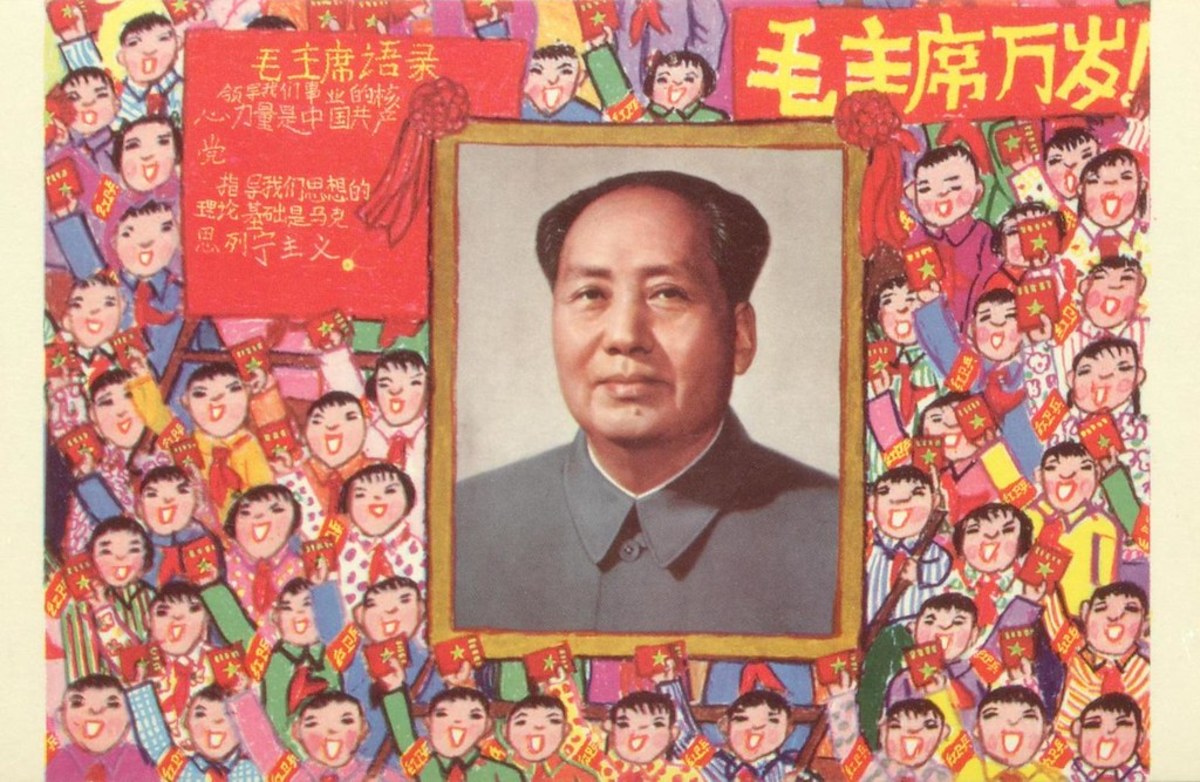
Growth itself doesn’t equate development. The human race has an astounding capacity to increase its numbers, identify forms of wealth, and compete for control and possession of tangible and intellectual assets. It’s the form this growth takes that requires direction and guidance to determine whether it benefits human society. Unchecked growth in the social sector can lead to the development of radical ideologies, and warring identity groups. Likewise, unchecked economic expansion can drive the exploitation of man and land to the extent that both are pushed to their physical limit, until their useful lives inevitably expire. Only when growth is moderated, and guided into a form that contributes to the greater good, can it truly be called development.

© 2026 | Eric Standridge