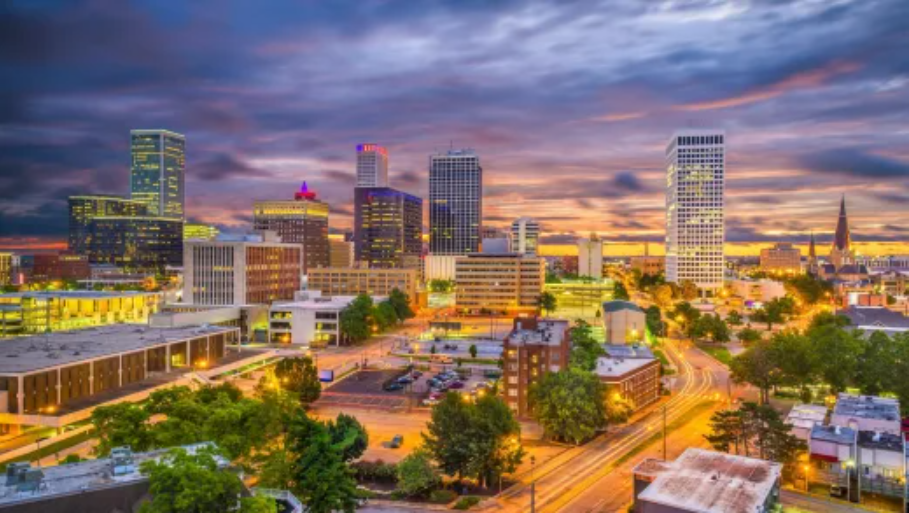
Buried beneath downtown Tulsa, a system of secret underground tunnels was built to connect many of Tulsa’s early skyscrapers. The tunnel system was designed at first for freight, but soon became a millionaires’ highway, protecting the wealthy and elite from danger. This is a story of Tulsa’s secret tunnels.
Tulsa Tunnels: A Guide
He stood at the window, clutching his brown fedora in his hands, admiring the “queen of the Tulsa skyline.” Waite Phillips was proud of his creation. The Philtower was completed in 1927, and the building he now stood in, the Philcade, was completed just two years later. He felt as if he owned the city, and still, he was humble enough to know that if it weren’t for his elder brothers and the support of the community, he wouldn’t be where he is today.
Still, as with all wealthy businessmen of the day, Waite Phillips had to remain vigilant. The lawlessness that centered in Chicago during the 1920s and ’30s spread fear across the country, especially among many prominent and powerful citizens. Many millionaires began taking precautions, especially after the son of Charles Lindbergh was abducted in 1932.
From this fear of crime and chaos in a distant part of the country, the Tulsa underground tunnels were born.
Construction of the Tulsa tunnels began in 1929, with an 80-foot underground tunnel running between the Philtower and the Philcade. The tunnel was originally designed as a way to transport materials between the two buildings; however, due to the rash of kidnappings of wealthy businessmen in Chicago at the time, Waite Phillips felt secure in being able to move freely between the two buildings.
The Philtower, one of Tulsa’s most prominent skyscrapers, was completed in 1927. The “queen of the Tulsa skyline” is a great example of neo-gothic and Art Deco architecture. It was designed by Edward Buehler Delk and financed by renowned oilman and dedicated philanthropist Waite Phillips. The Philtower is easily recognizable by its green and red polychrome tile roof.
The Philcade, also financed by Phillips to complement the Philtower, was completed in 1929, two years after the Philtower was completed. The building housed plenty of commercial space on the ground floor, mezzanine, and second floors, serving as headquarters for many developing oil companies and individuals connected with the oil industry. When the Philcade opened, it offered 259 office suits and 28 shops, making the Fifth and Boston Avenue area the most popular business location in town.
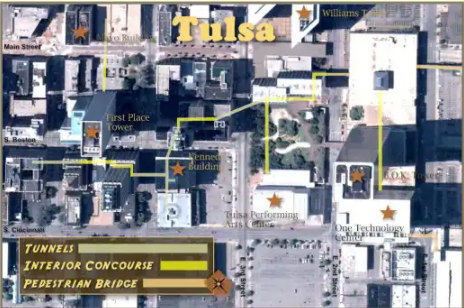
In all, the Tulsa tunnels connect eight buildings, three parking garages, a world-class hotel, and numerous cafés and small businesses. It’s possible to go from Fifth and Boston to First and Main while staying indoors the entire time.
Tulsa Tunnel Notes: Entrances and Interesting Information
- The Tulsa Tunnels were said to be used during prohibition to discreetly supply the oil barons plenty of booze.
- The tunnel that connects the Philcade to the Philtower once housed a local radio station. This tunnel is apparently no longer open to the public. The entrance is hidden in the basement and has a large vault door system.
- The First Place Tower (BankOne) and the Main Park Plaza (The Mayo Building) are connected by an interior concourse. This underground route is not connected to the rest of the underground system.
- Williams Complex (Formerly known as The Forum): The parking garage under the Williams Complex exit onto Samson Plaza next to the Crowne Plaza. From there, you can walk through the hotel and the parking garage into the tunnel.
- Adam’s Mark Hotel: The North tunnel entrance is inside the lower parking garage of the Adam’s Mark Hotel.
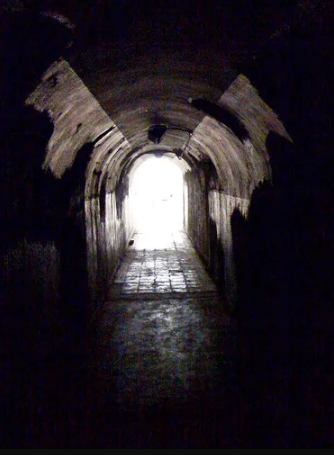
The history of the tunnels under Tulsa is both fascinating and enlightening. Most people who travel the streets of downtown are unaware that the tunnels even exist. Next time you’re in downtown Tulsa, ask around. Visit the buildings and ask the people that work inside; most of the time, you’ll find quite a few people who are willing to offer great stories of the tunnels, as well as direct you on where to find their entrances.
Buildings Linked by Tunnels in Tulsa
| Building Name | Address | Date Building Erected | Notes |
|---|---|---|---|
| Philcade | 511 S. Boston | 1929 | Lobby built in the shape of a “T” for Tulsa |
| Philtower | 427 S. Boston | 1927 | Second skyscaper in Tulsa |
| Atlas Building | 409 S. Boston | 1922 | Built in the shape of an inverted “T” |
| Mid-Continent Building | 401 S. Boston | 1916 | Tulsa’s first skyscraper |
| Kennedy Building | 321 S. Boston | 1915 | Lobby offers a 10 story atrium |
| Exchange Tower | 320 S. Boston | 1917 | |
| Exchange Tower | 320 S. Boston | 1923 | 12 Floor Addition added |
| Exchange Tower | 320 S. Boston | 1927 | 21 Story Tower was added, making this Tulsa’s tallest building. |
| Adam’s Mark Hotel (Crowne Plaza) | 100 E. 2nd Street | ||
| Tulsa Performing Arts Center (TPAC) | |||
| Williams Complex | |||
| Williams Tower (BOK Tower) | |||
| Tulsa City Hall | |||
| Main Park Plaza |
This table lists all of the buildings linked by tunnels, interior concourses, or pedestrian bridges in Tulsa.

© 2010 | Eric Standridge