Cultural Appropriation vs. Cultural Authentication
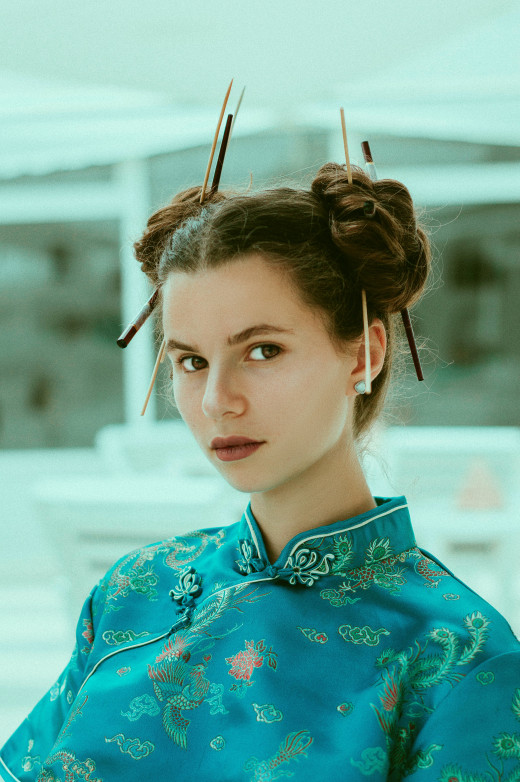
Cultural appropriation is a phenomenon that has been villified as the little brother of racism. It conjures mental images of ignorant fashion models strutting down the runway in exotic styles stolen from ethnic groups they’re not part of. Outrage over this contraversial issue is fueled by feelings of racial injustice. The minority often feels robbed or exploited by the majority.
At the same time, suppression of art and ideas from different cultural groups can also make them feel marginalized. Stealing is wrong, but whitewashing and cultural segregation aren’t okay either. So what happens when the free exchange of ideas, and artistic expression naturally lead to the adoption of ideas from other cultures? When something from one culture is incorporated into another, and takes on its own unique meaning, it’s known as cultural authentication.
You Want Me to Wear a Doctor’s Mask?
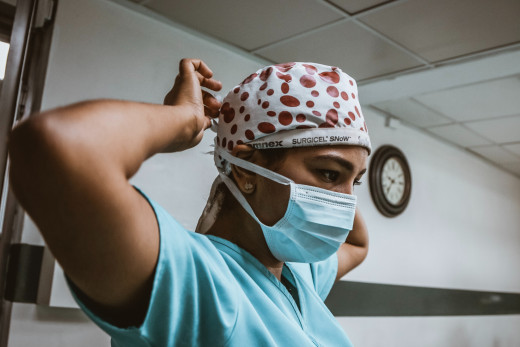
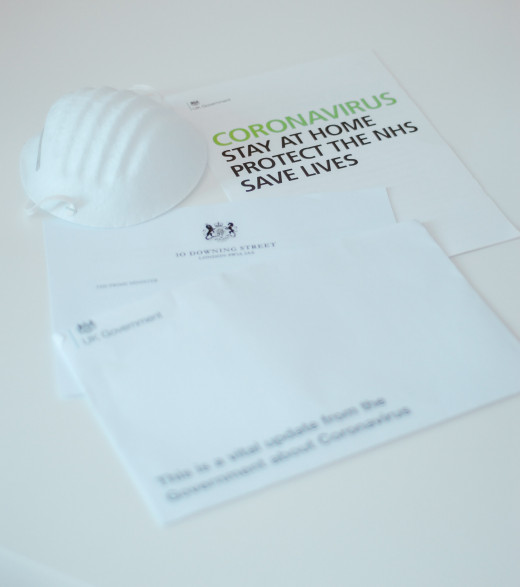
One example of cultural authentication is the widespread adoption of the cloth facemask, in the wake of the COVID-19 pandemic. The garment is a shaped enclosure of the mouth and nose, fastened to the face by a set of strings or elastic straps. These masks were commonly called “Doctor’s Masks,” and associated only with medical professionals or patients in medical settings. Everybody knew these masks existed to reduce the spread of germs, but most people didn’t see the need to wear them in daily life.
Japan Was Already Doing It
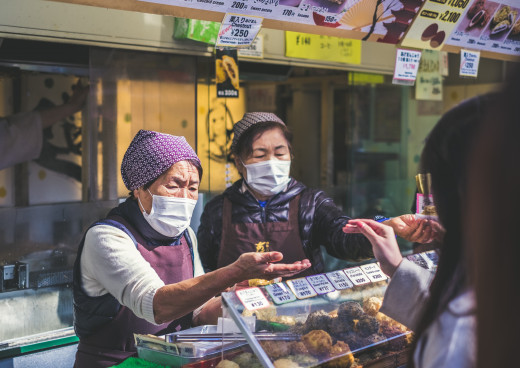
Some Asian countries, like Japan, were an exception to the rule. Wearing a mask in daily life, sometimes, was normal. Foreigners often speculated that masks were worn due to pollution. In reality, it was to prevent the spread of illness. Rather than take a sick day, if they were feeling ill, people would wear masks to keep from getting customers and co-workers sick. Masks were also used to filter out pollen and allergens, to prevent hay fever. Even though seeing someone in a mask wasn’t uncommon, healthy people didn’t mask up en-masse like in the post-COVID world. And while there were a few high-fashion cloth options (particularly in Korea), most people tended to stick with the disposable masks worn by doctors.
The Pandemic Normalized Mask Wearing in 2020
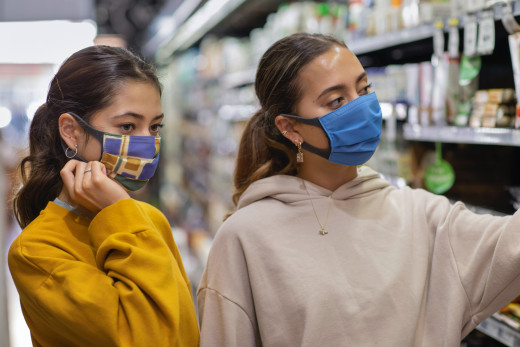
In 2020, the style and construction of face masks rapidly evolved to include more reusable cloth versions, in addition to the single-use disposable masks previously worn by medical professionals. Many masks were handmade, and some were quite expressive. The emergence of reusable masks was partially due to necessity. In the earlier weeks of the pandemic, there were widespread shortages of single-use masks that forced those who needed them to turn to reusable solutions. Reusable masks were also favored by environmentally conscious people who realized the need for reducing waste, while still maintaining a sustainable, personal supply of masks.
The Politics of Mask Culture
Mask-wearing quickly spread to the general population with the help of mandates adopted by both private entities and government authorities. Doctor’s masks became referred to as “Face masks” or simply “Masks.” The garments were worn not only for protective reasons, but also to signal that concerns about the novel coronavirus known as COVID-19 were being taken seriously. Not wearing a mask also became a nonverbal statement about the importance of freedom of choice, or a mitigation of early scare tactics associated with the virus. The face mask as we know it had firmly affixed itself as a symbol of growing health-consciousness, in the face of an unprecedented global phenomenon, centered around an infectious disease.
Beyond the Pandemic
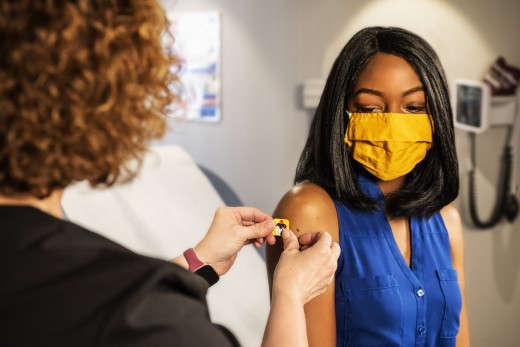
In the post-pandemic world, face masks are no longer pressed as a social necessity, but they haven’t really gone away. In 2026 they can still be found in the back corner of department stores, and the deep recesses of Amazon. It’s not unusual if someone covers up to keep from spreading their cold, or to keep out germs or dust. Though the dire need for them has passed, masks have assimilated into everyday life so that they’re no longer “for doctors” or for the very sick.
To the point of cultural authentication, the normalization of wearing this accessory meets all the requirements for cultural authentication of dress. The mask was selected to meet a need in society. It was characterized as the “COVID mask” or “Face Mask;” both new names to identify the accessory. It was incorporated into our daily lives as we were encouraged and even compelled to never leave home without it. Society transformed it by creating multitudes of designs to make them more comfortable, fashionable, or effective. The world will never look at the “Doctor’s Mask” the same, much like the Western world no longer looks at ankle-bearing skirts the same as it did in the Victorian era. Before the pandemic, face masks were a thing you wore in the hospital. Now, they are just a thing.

© 2026 | Sierra Standridge