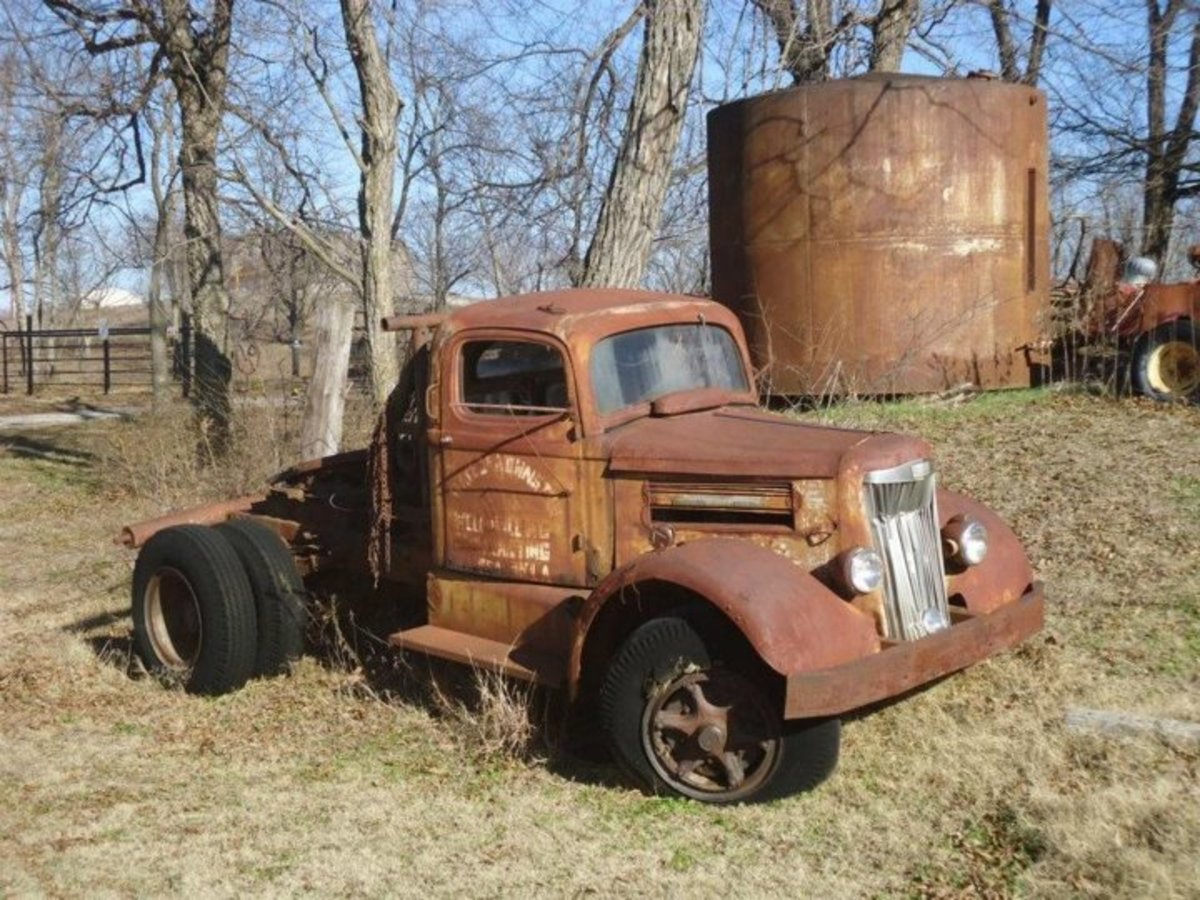
Oklahoma Hidden Gems
People have long traveled all across Oklahoma in order to photograph both the natural and man-made wonders that the state has to offer.
The photographs below represent only a tiny portion of the unusual and fascinating places there are to see. There are thousands of photographs of popular attractions and places throughout Oklahoma; however, the “hidden gems” throughout the state seem to have been rarely documented.
In this article, it is the author’s intent to highlight a couple of these places and to explain a little of the history behind them. In addition, the author urges you to get out and explore your world, to take time to search out and discover the hidden gems that are all around us.
Chelsea, Oklahoma
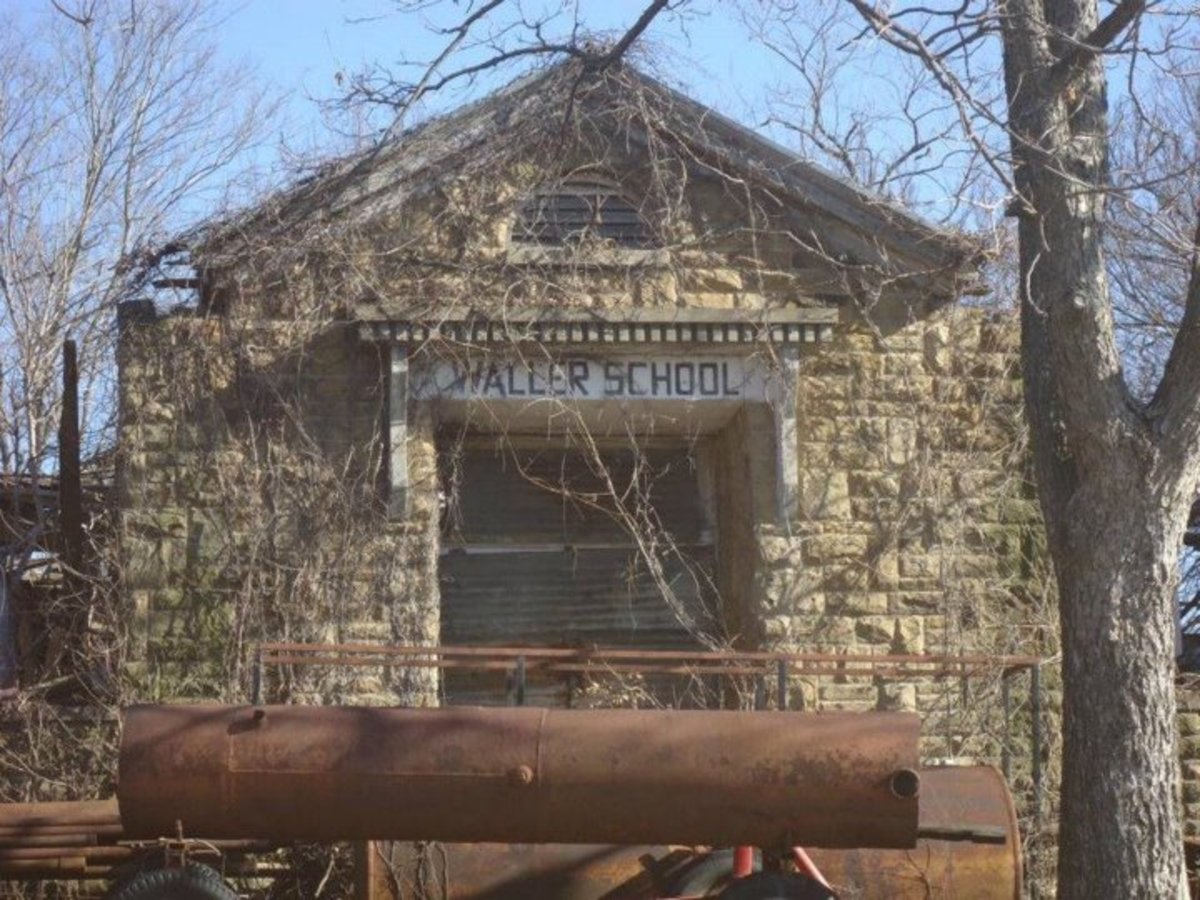
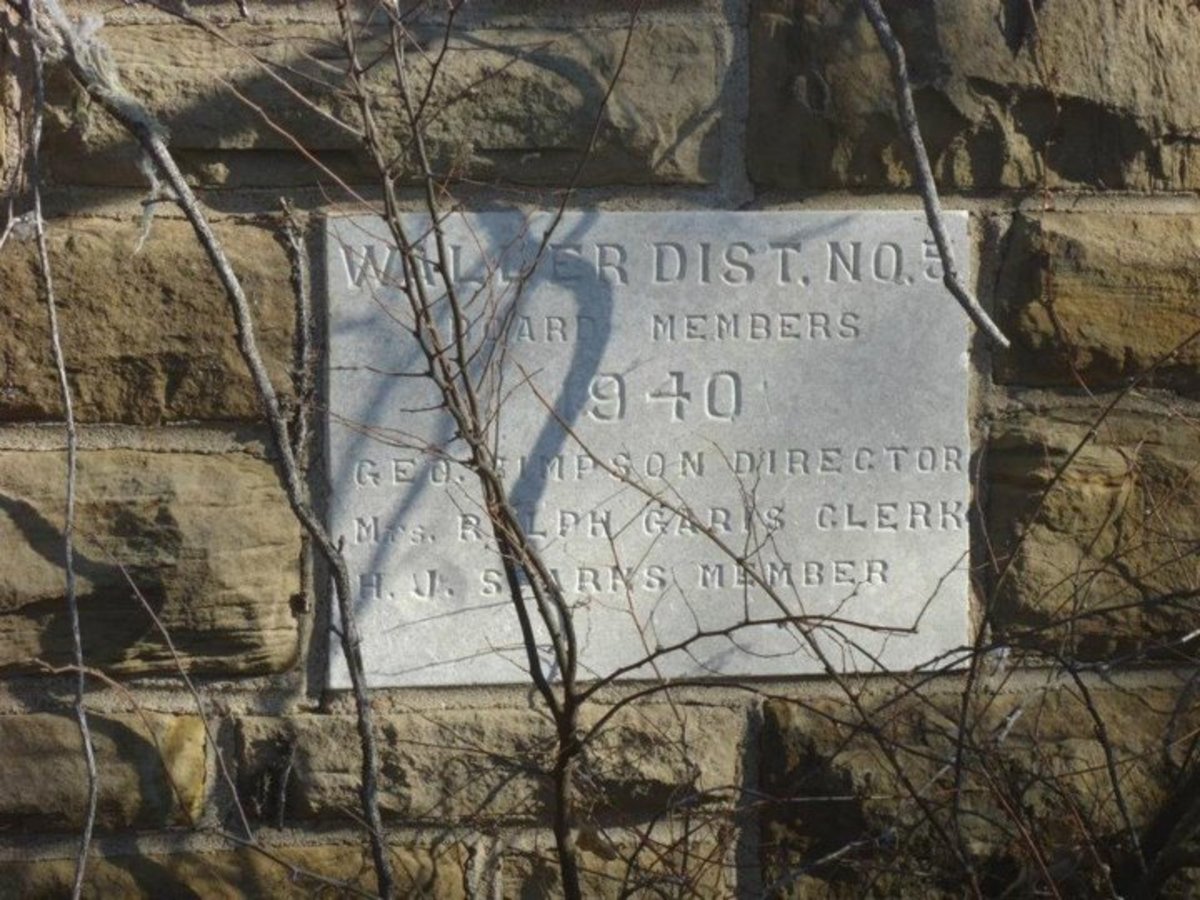
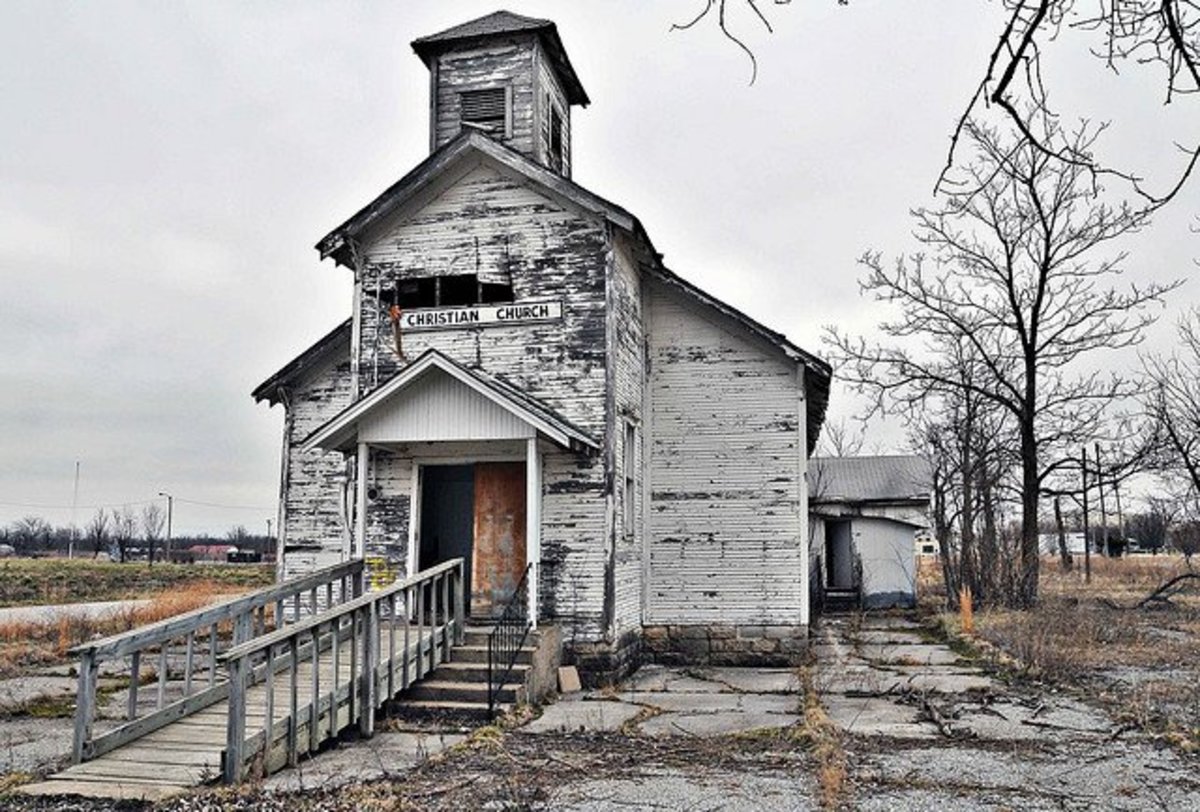
There is a lot of speculation about this old building, and many of the old stories are simply not true. One of the most popular stories was that this was an old Indian school built in the late 1800s. This legend has finally been laid to rest…
This building was built in 1938 by the Works Progress Administration and served the community around Chelsea for many years. It had a large gabled roof. The windows that reached to the eaves had green sheet metal inserts to protect against the elements.
In the 1970s, a large additional structure was attached to the back of the building. Still standing in 1985, this building was 79 feet wide by 67 feet long and was used during this time as a private residence. Shortly afterward the building burnt down; it has never been rebuilt.
Hollister, Oklahoma
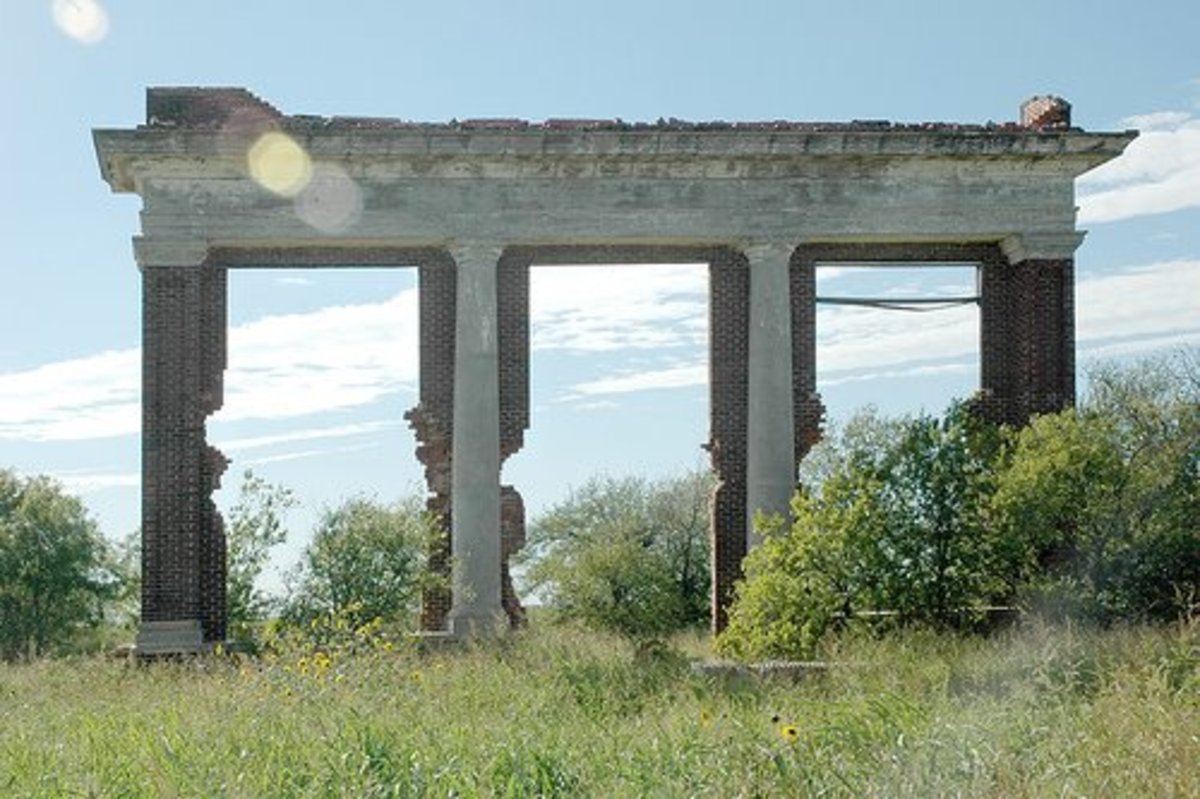
This wall is all that remains of a large schoolhouse. While the bricks from this building were recycled, somehow the pillars were overlooked and still remain standing. Hollister, Oklahoma, has a population of 60.
McAlester, Oklahoma
McAlester is a place full of hidden treasures. Usually, when people think of McAlester, they think of places such as the Aldridge Hotel and the Masonic Lodge—all in South McAlester; however, not many take the time to visit “Old McAlester” on the north side. This is where J.J. McAlester formed the first town before the railroads came through.
North McAlester is full of places to visit. Some of these places include J. J. McAlester Mansion, Old Town Historic District, Tannehill Family Heirlooms & Gun Museum, etc. There’s a lot going on in this area.
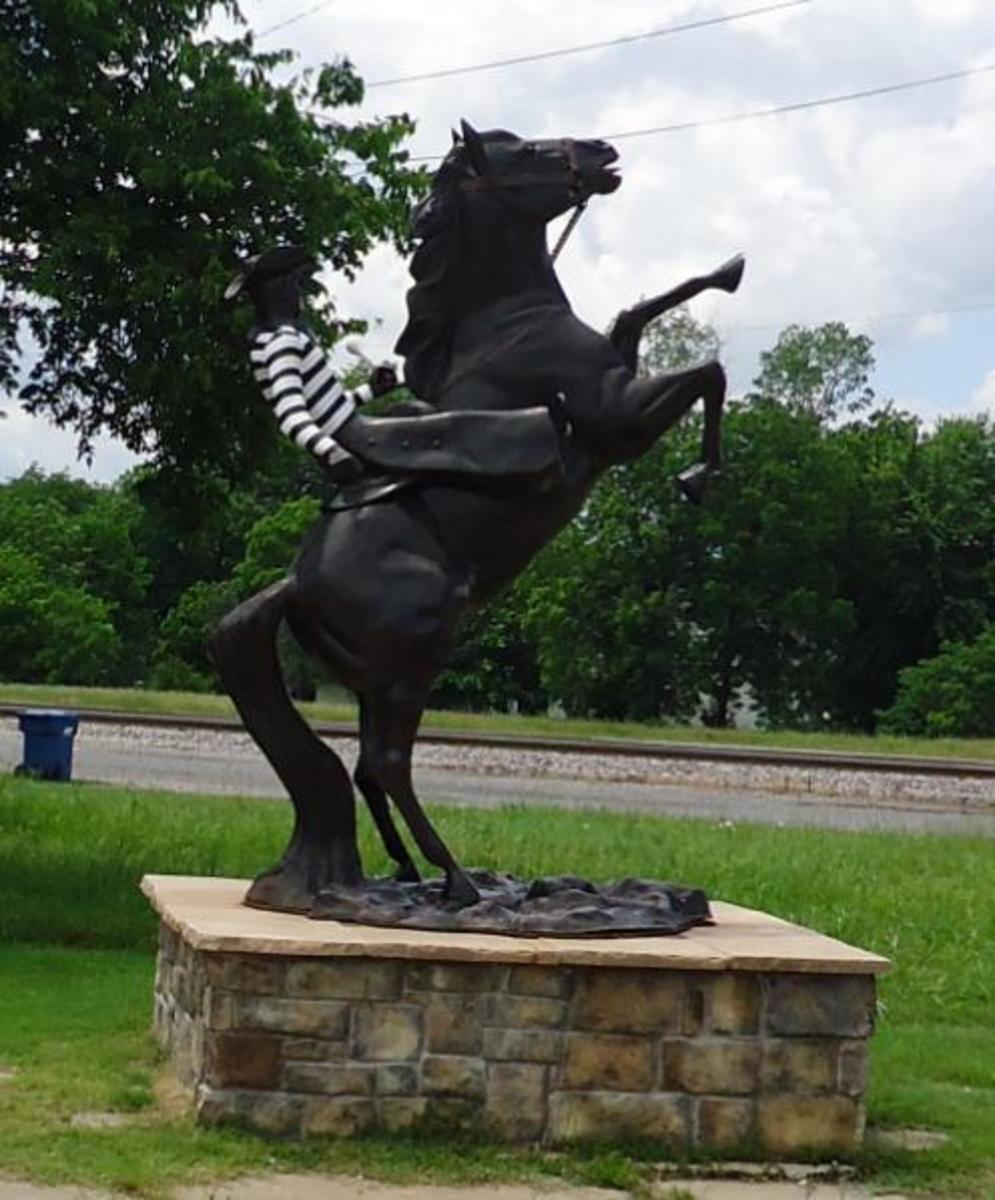
This horse-riding-prisoner statue was found in North McAlester, towards the end of the old business district.
Picher, Oklahoma
During the early 1900s, Picher, Oklahoma, was a thriving mining town. Hundreds of people flocked there to work in the mines. The town was shut off from the rest of the world in 2009 by the U.S. Government. A century of unrestricted subsurface excavation dangerously undermined most of Picher’s town buildings and left giant piles of toxic lead-contaminated mine tailings (known as chat) heaped throughout the area. Today, all that is left is crumbling ruins.
The Wichita Mountains
In our history classes, we all learned that Oklahoma was once part of the Louisiana Territory, but few people realize the significance of that.
The Louisiana Territory was once an administrative district of the Viceroyalty of New Spain from 1764 to 1803. During this time, Spanish explorers roamed throughout the region. Many were missionaries, others were explorers, and still more were out to find riches in gold.
During the late 1700s, the Wichita Mountains were teeming with these early prospectors. It is unknown when gold veins were first discovered there, but the tales of riches in the area were enough to lure a great number of prospectors into the area.
In a route that followed the Red River, the Spaniards would travel from the old world, up the Mississippi, down the Red River, and cross the country until they reached the Wichita Mountains. As more people arrived, small colonies were set up to support the gold mining activities in the area. Although virtually no trace of these colonies still exists, interviews of early settlers recall seeing “ancient” ruins of these miners from yesterday.
Legend says that there was once a thriving own in the Wichitas. This town was circled by wood stockades to help protect against Indian attacks. Inside, there were numerous buildings, including a large Spanish fort. In fact, pieces of chain mail, rusted Spanish handcuffs, and even what appeared to be a rusted halberd lance have been found in the surrounding areas.
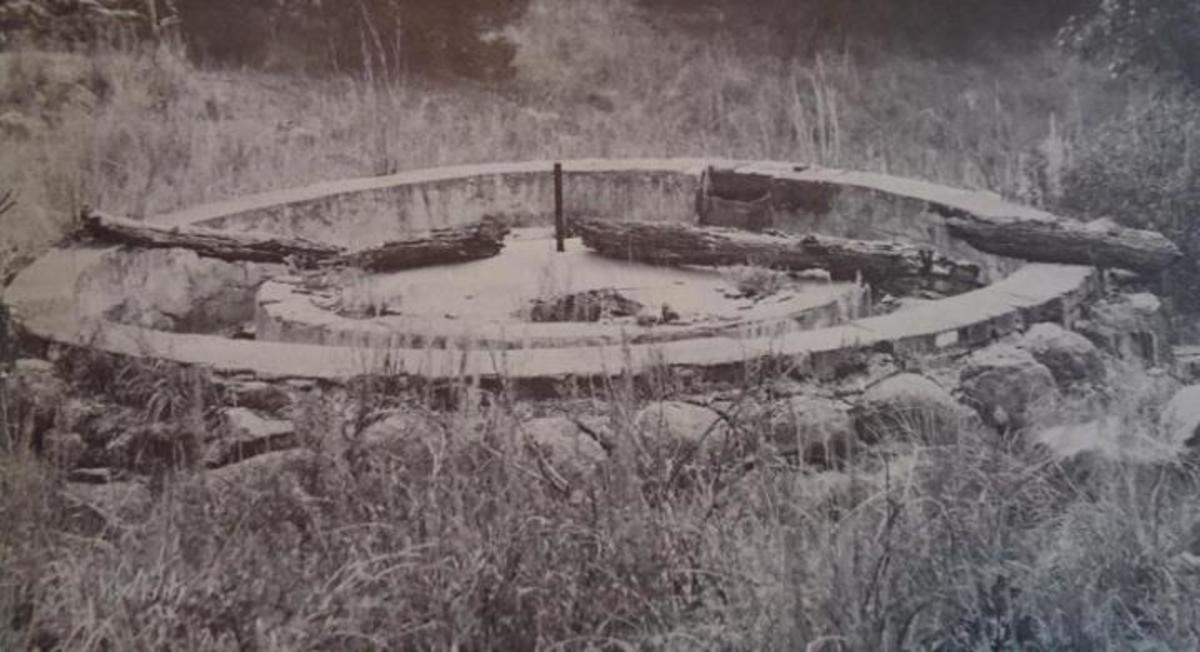
The image pictured here is a reproduction of a Spanish arrastra. A heavy log was attached in the middle, and at the other end, mules were used to swing the log around the rock frame of the arrastra. As the log swung around the circle, it would grind the rocks together. As the rocks were ground, the Spaniards would search for gold in the resulting flakes. Most often, they came up empty-handed, but occasionally, a small nugget or two could be found.
By the time the mini-gold rush in the Wichitas started in the late 1870s, very little of these old mining camps remained.
Satellite Views of Oklahoma
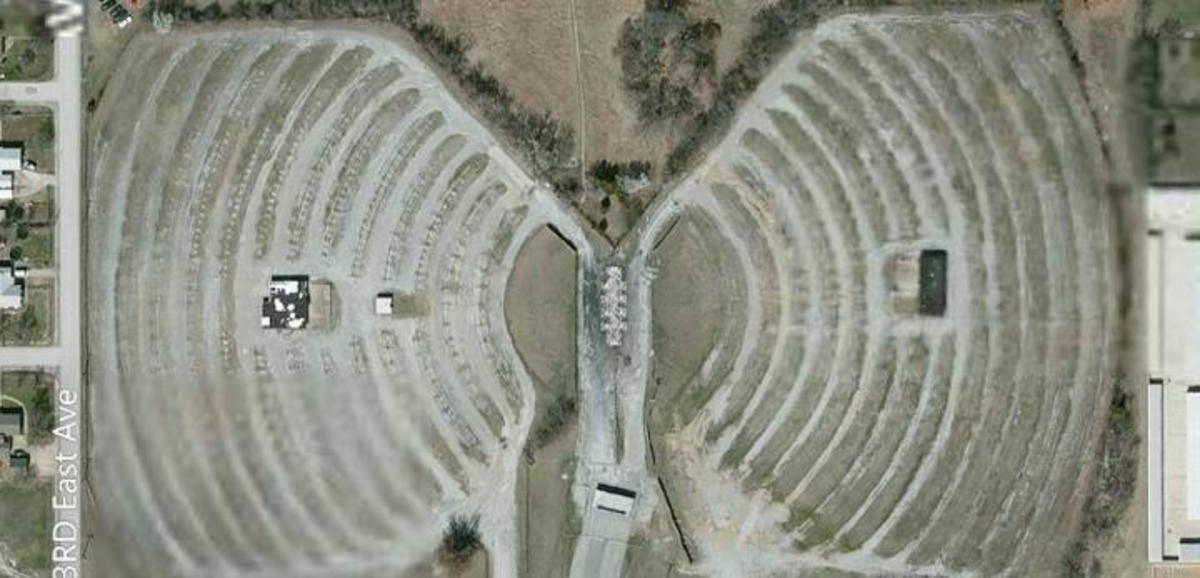
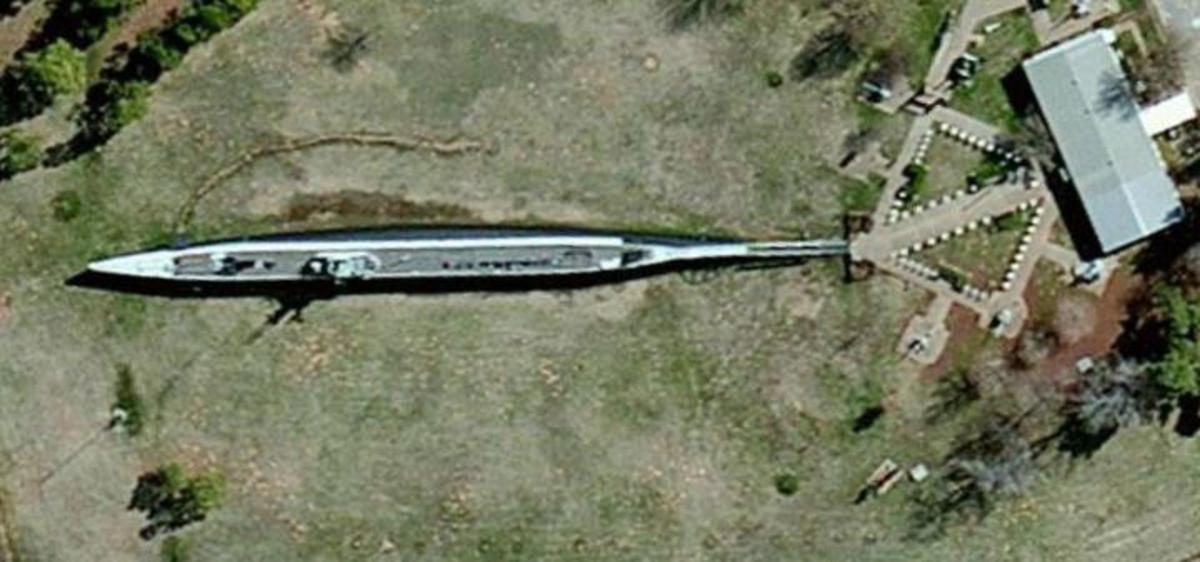
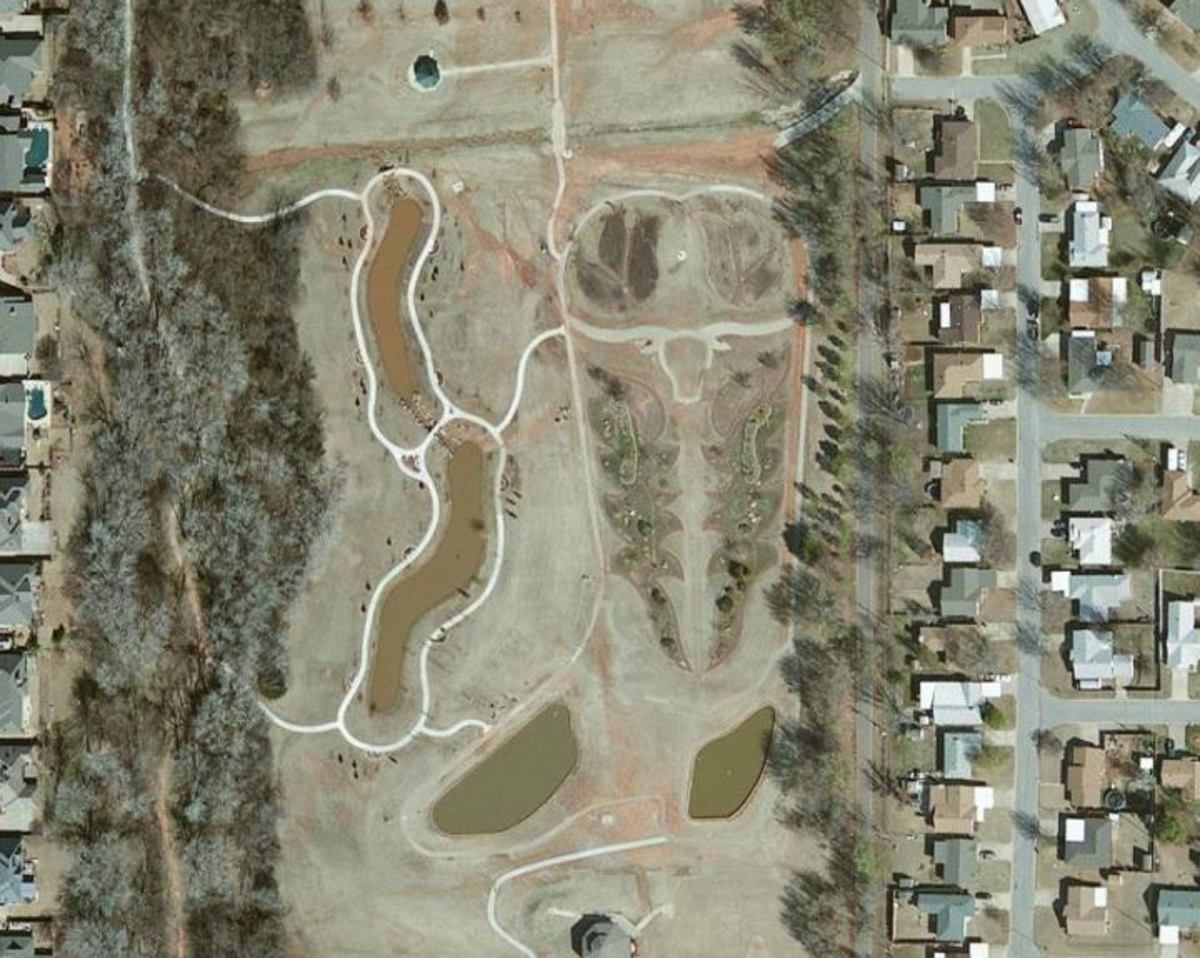
Sometimes, the most fascinating views can only be seen from the sky. The images below were taken from Google Earth and show some of the more unusual aerial wonders seen in Oklahoma.
Seeing More of Oklahoma
- Little Sahara State Park: The Roaming Sand Dunes of Oklahoma
Did you know that western Oklahoma has a hidden gem containing sand dunes? It’s true! Find out more about the Little Sahara State Park. - 4 Unusual Creations in Oklahoma
Did you realize that Oklahoma has its own strange and unusual creations? Here are four of them, which are scattered across the state! - Oklahoma Attractions: Fun Things to Do in Okmulgee
Situated only 40 minutes south of Tulsa, Okmulgee is a small town rich in history and teeming with wildlife. This article outlines various Okmulgee attractions and points of interest.
© 2012 Eric and Sierra Standridge