Like a dystopian landscape from the old days of the wild west, the Unassigned Land lay seemingly forgotten for several years.
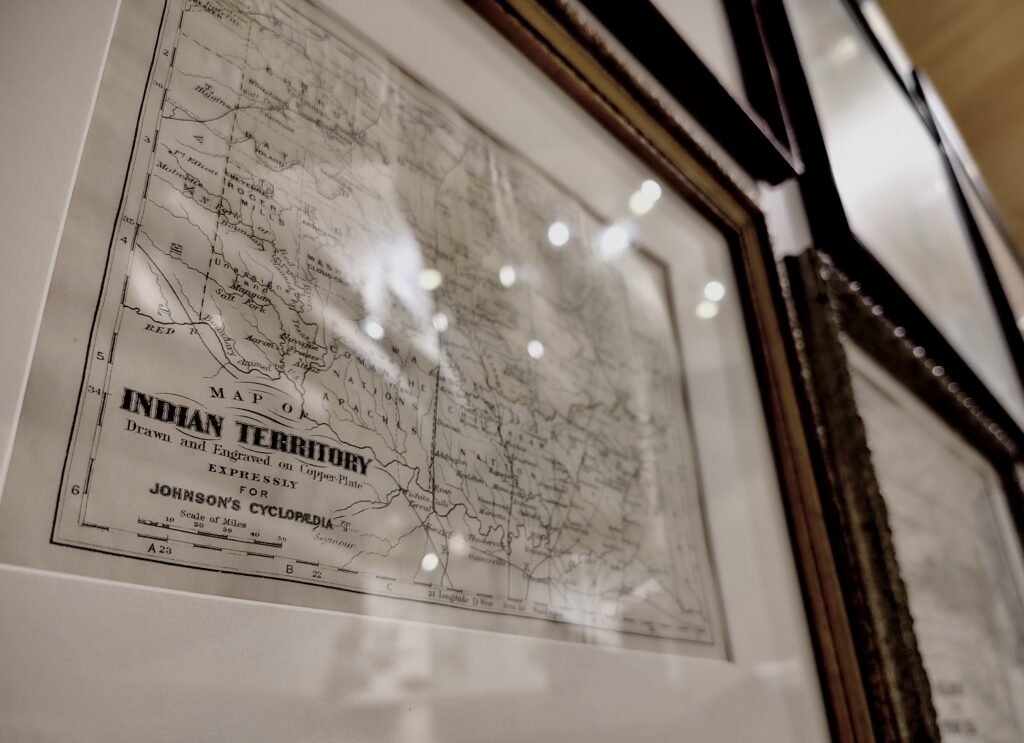
The area now known as Oklahoma’s Panhandle was originally not destined to become part of the state. With the arrivals of the Europeans into the America’s, Spain took control of a large swath of land from modern Mexico through the central United States. Known as New Spain, much of the area would waver between Spanish and French Control until the Louisiana Purchase in 1803.
Much of the future state of Oklahoma, and the southern border of the United States was defined by the Red River. The Panhandle was not part of the purchase, and remained part of New Spain, as was much of the Southeastern part of the United States. In 1821, Mexico won their independence from Spain, making the panhandle part of Mexico. Then, just a few years later, in 1836, Texas became an independent nation. Now, the panhandle became part of Republic of Texas.
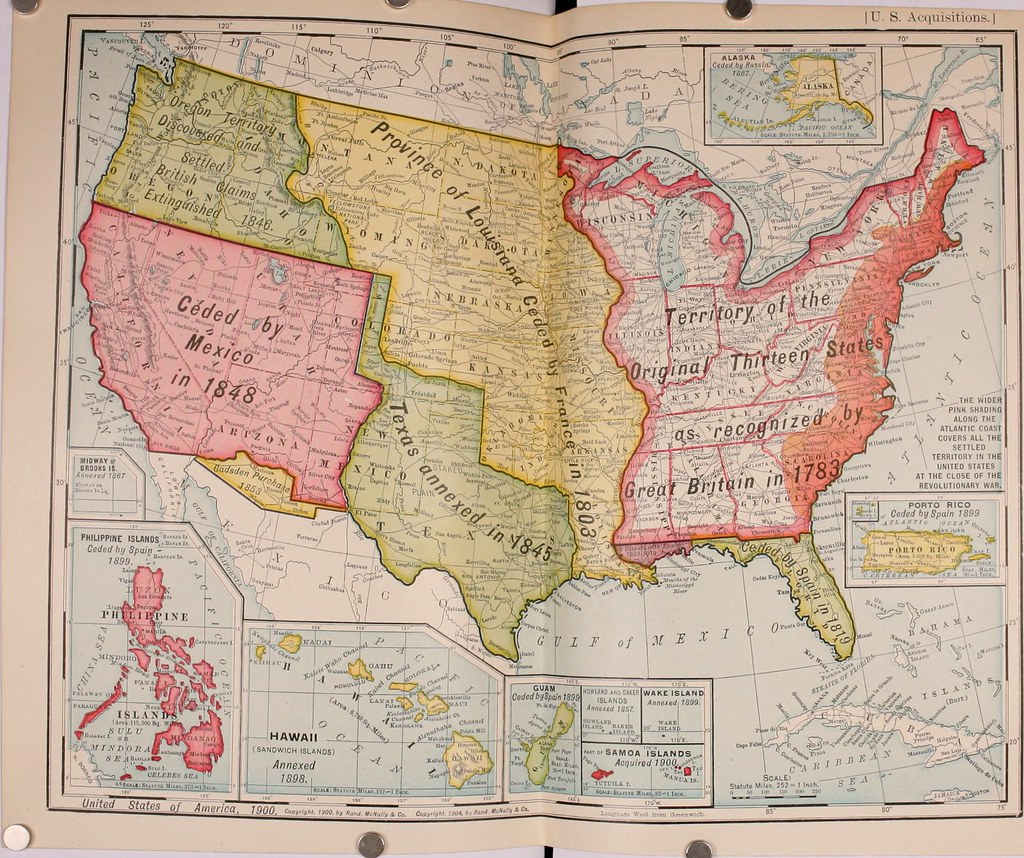
Through all of these changes, the Oklahoma panhandle remained independent of the United States, and was the only part of modern Oklahoma that was not part of Indian Territory. That changed when representatives of Texas asked to become part of the United States.
Texas wanted to enter the union as a slave state. However, according to the Missouri Compromise of 1850, anything north of 36 degrees 30′ was to be free. Because of this, the area known as No Man’s Land was ceded to the United States on November 25, 1850.
By this time, No Man’s Land had become one of the most violent places west of the Mississippi River. It was wild and rugged, and for the next three years, it would only get worse. Texas no longer enforced the law in the region and since the land was not claimed by any state or territory, the United States had no law presence in the region.
The area became a refuge for criminals. The famous Robbers Roost near black Mesa became an outlaws fortress. The cave system provided shelter, and the height above the surrounding plains provided a clear view for miles.

Towns such as Beer City sprang up. Many were formed by Kansas merchants to provide liquor and entertainment to cowboys. Beer City was billed as the only town in the U.S. with no law.
Founded in 1886, Gate City, now almost a ghost town, was known as “the wildest, most wicked town” in no-man’s land. Bandits would come to town to hide out from the law. Gate City was known as the entry to no mans land. A historical marker can be found on the corner of HWY 64 and N1680 rd., and No Mans Land museum can be found in town.
These old towns still exist and are worth a visit. Towns such as “Slapout”, so named because the only store was always “slap out” of everything, or the ghost town of Kenton, once known as the Cowboy Capital near Black Mesa, or Boise City, the only town bombed during WWII, or Goodwell, home of the No Mans Land museum.
In March 1887, to curb the lawlessness of the area, the first attempt was made to organize the territory. Beaver City, was selected as the capital and the area was named Cimarron Territory. At the time, the U.S. Government refused to recognize the organization.

It would be three more years before the territory would finally be recognized. The organic act of 1890 added the area known as No Mans Land to the Oklahoma Territory. This area was named Beaver County. At Statehood in 1907, Beaver County was further divided into Beaver, Texas, and Cimarron Counties. By this time, the old lawlessness of the land had dissipated, and no man’s land was no more.